
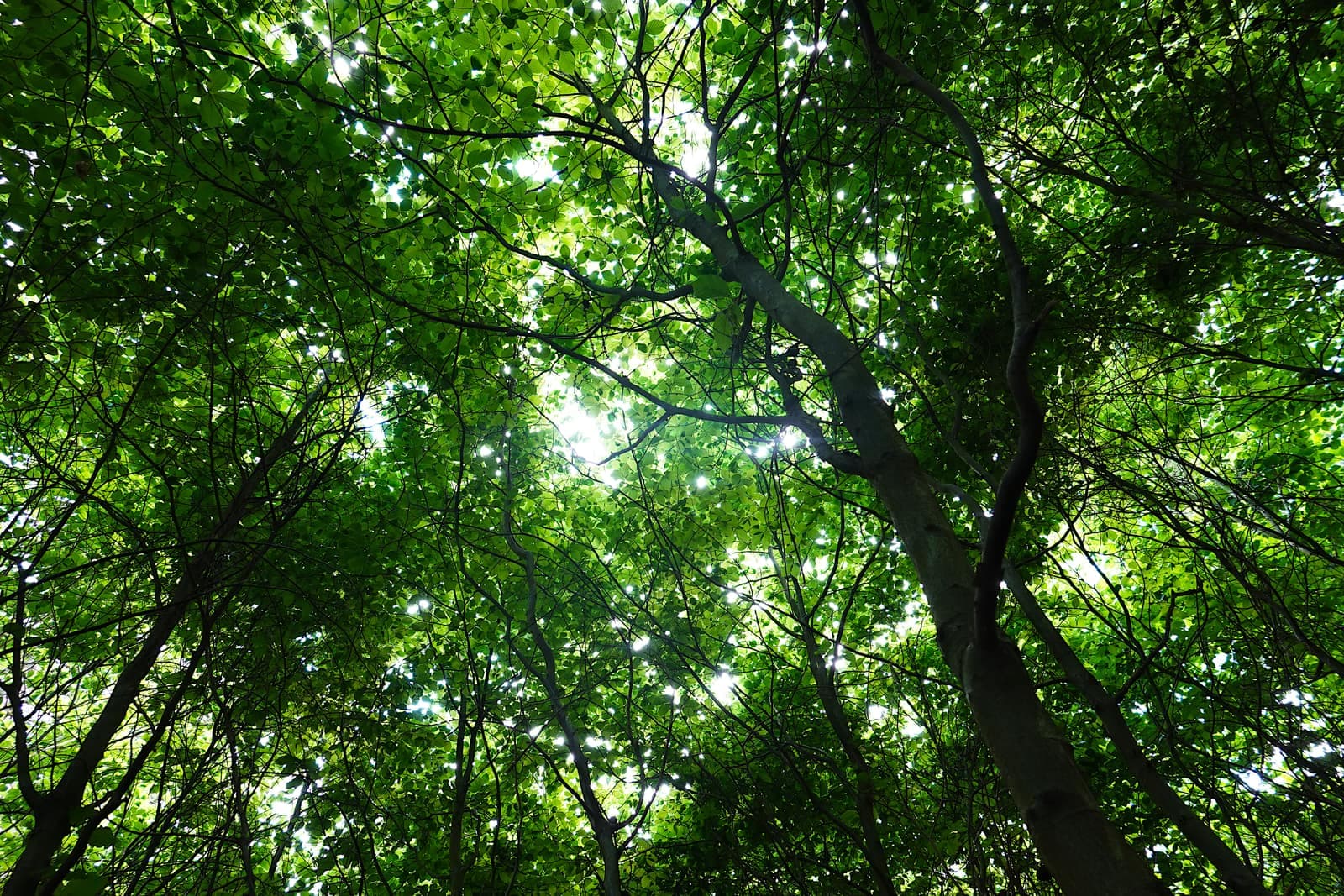
Water
Punjab's water table is falling, and schools waste more of it than they think.
- Tap flow audits across the campus
- Tap fixing drives with local plumbers
- Household water diaries students take home
Measured in liters saved per day.
A green club is 20 to 40 students led by one teacher, the club coordinator. It runs one project a month through the school year, rotating through four pillars. Nothing counts until it's reported from the field with photos.
Punjab's water table is falling, and schools waste more of it than they think.
Measured in liters saved per day.
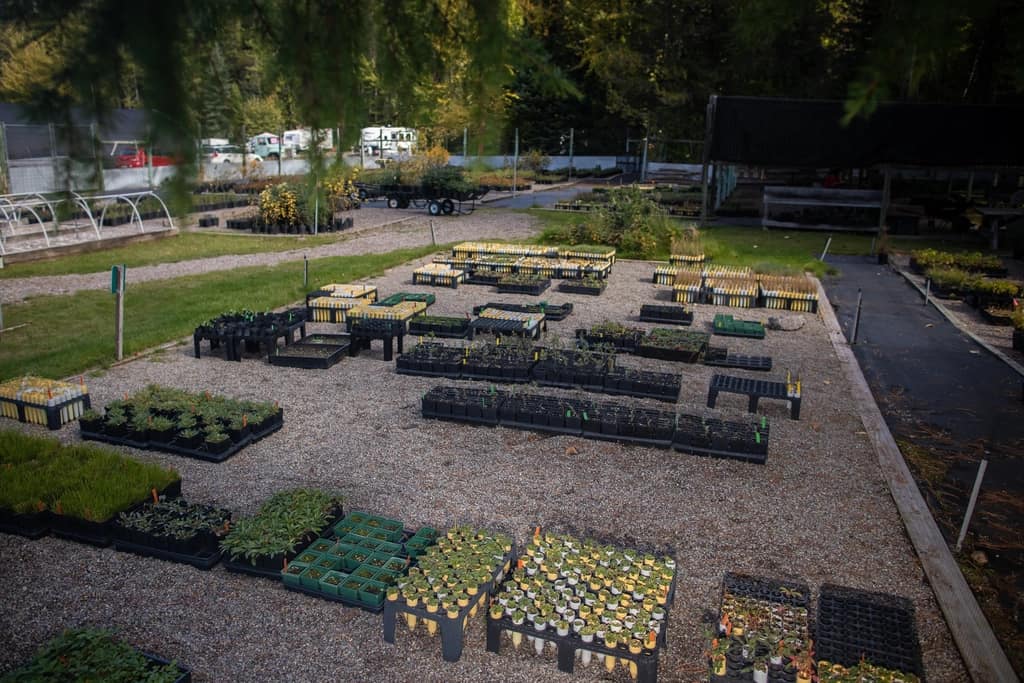
Trees are the most visible thing a club does, and the easiest to prove.
Measured in saplings planted and surviving.
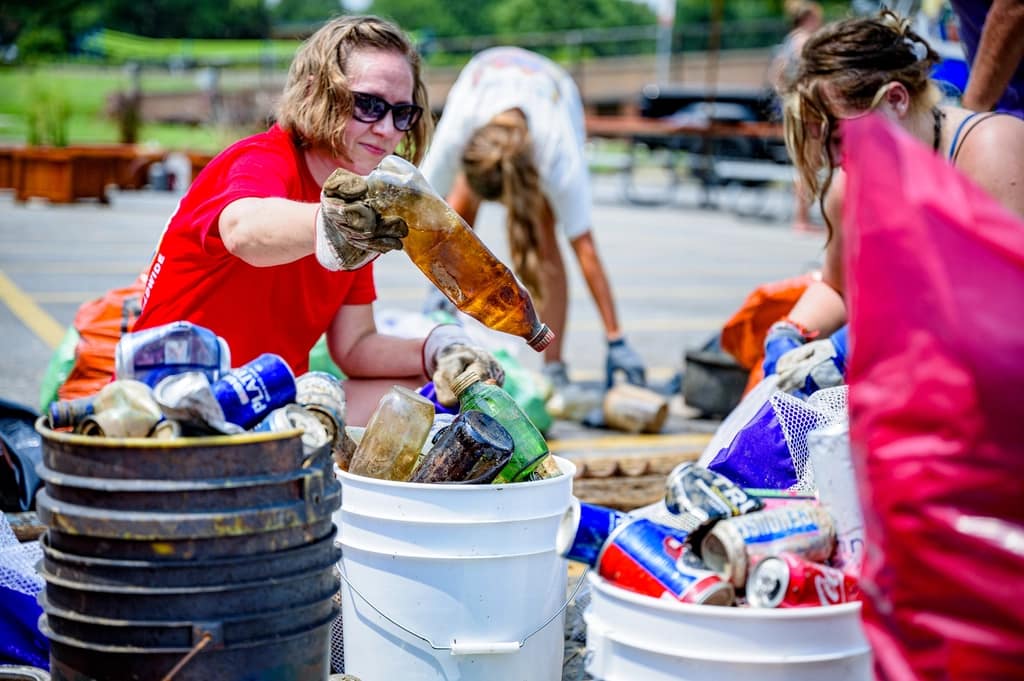
Cleanups make the problem visible; sorting makes the habit stick.
Measured in kilograms collected and sorted.
Every classroom has fans and lights nobody remembers to switch off.
Tracked through audits and follow-up checks.
Week one
The club meets and the coordinator runs a session on this month's pillar: a workshop, a guest speaker, or a hands-on demo.
Week two
Students pick the field project, split the jobs, and gather materials. The coordinator logs the plan as a task.
Week three
The drive happens: planting, cleaning, fixing, auditing. Photos are taken on the spot, where the work happened.
Week four
The coordinator files the report from a phone in under five minutes. Once approved, the club's numbers update on this site.